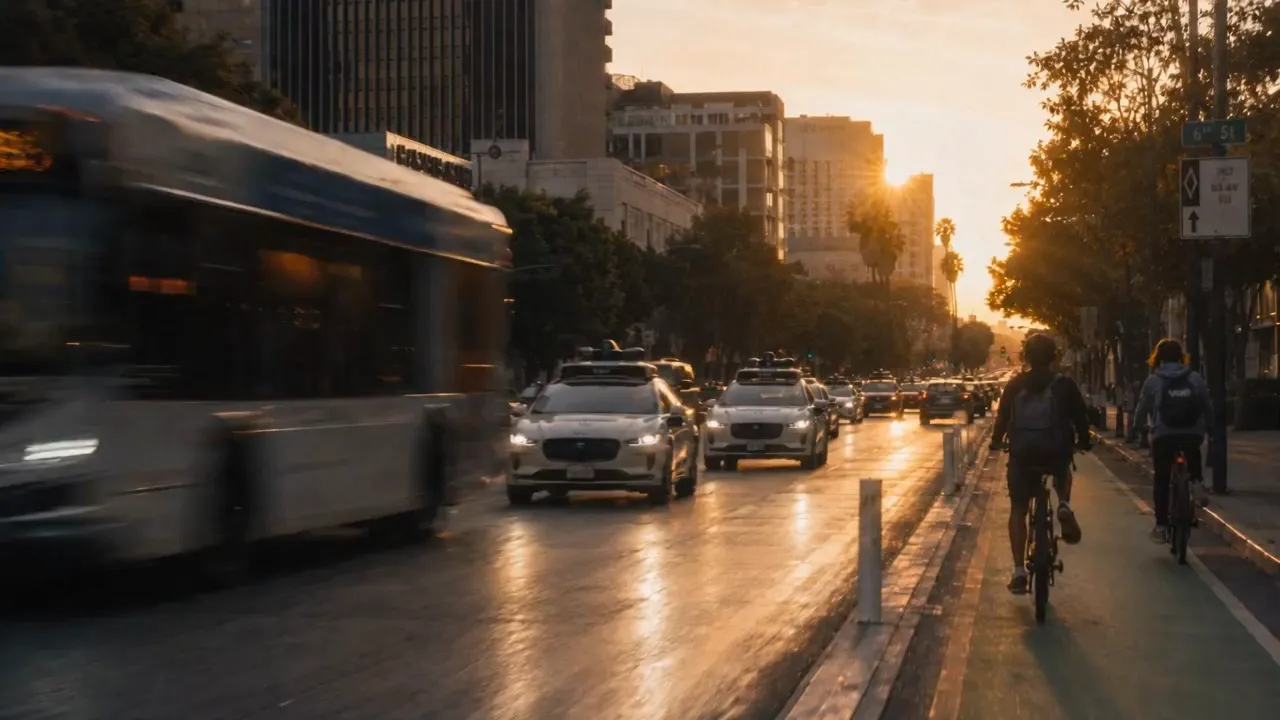
Measured, not imagined. not imagined.
Nexar and Nauto are now Empiric Earth. Ten billion miles of real-world driving, turned into intelligence that measures, predicts and prevents risk.










[ ONE INTELLIGENCE NETWORK ]
Built for the decisions
that move the world
A foundation of real-world experience, applied at three critical moments: operating fleets, understanding risk and developing vehicle software.
Φ
Fleet Intelligence
Reduce risk, help prevent collisions and give safety teams the evidence to improve every mile.
Δ
World Intelligence
Train on, validate and price risk using real driving events with the human response and outcome attached.
Σ
Embedded Solutions
Bring predictive safety intelligence directly into production vehicles and mobility systems.
[ THE REAL WORLD CAN'T BE FULLY SIMULATED ]
Experience that models
can learn from
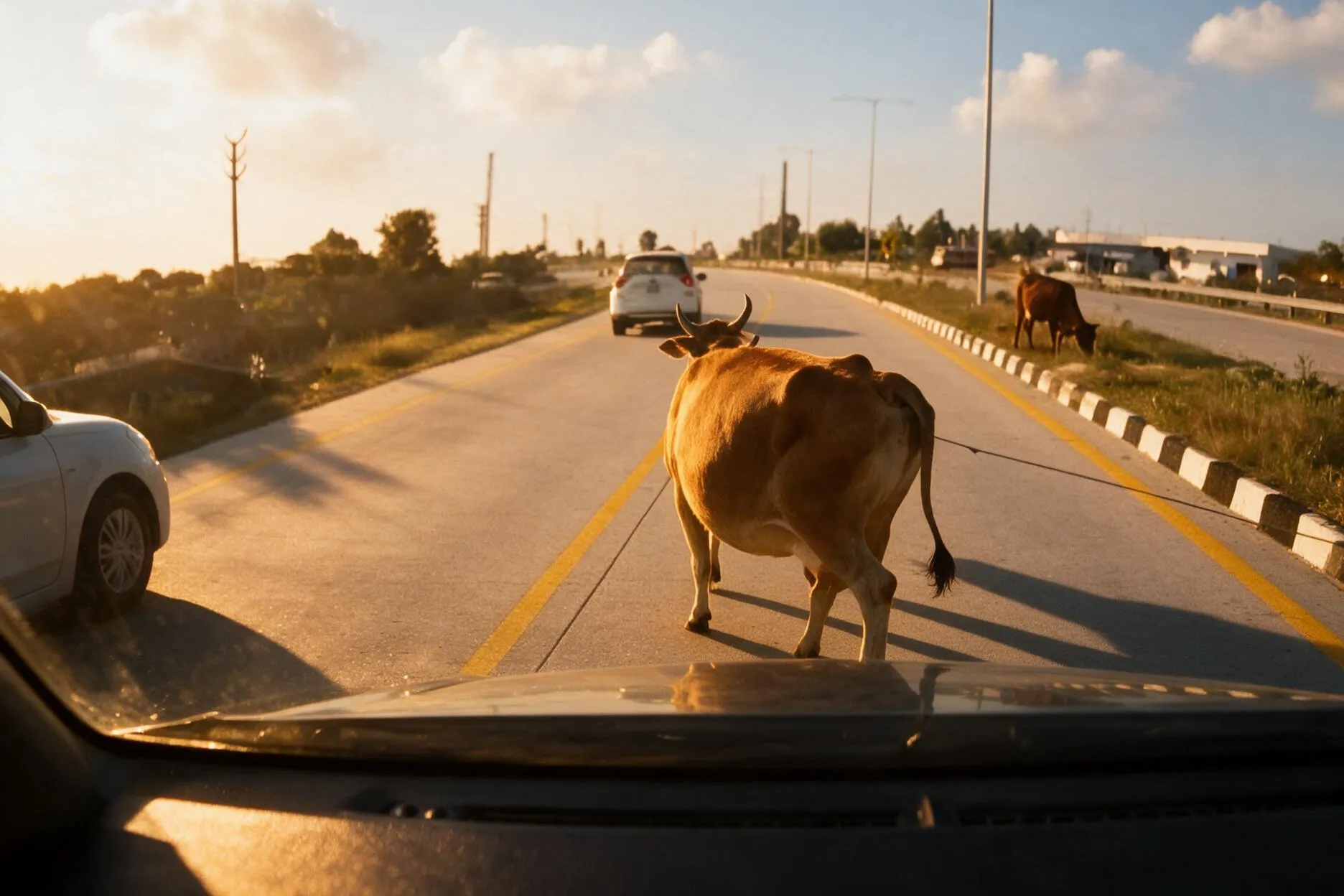
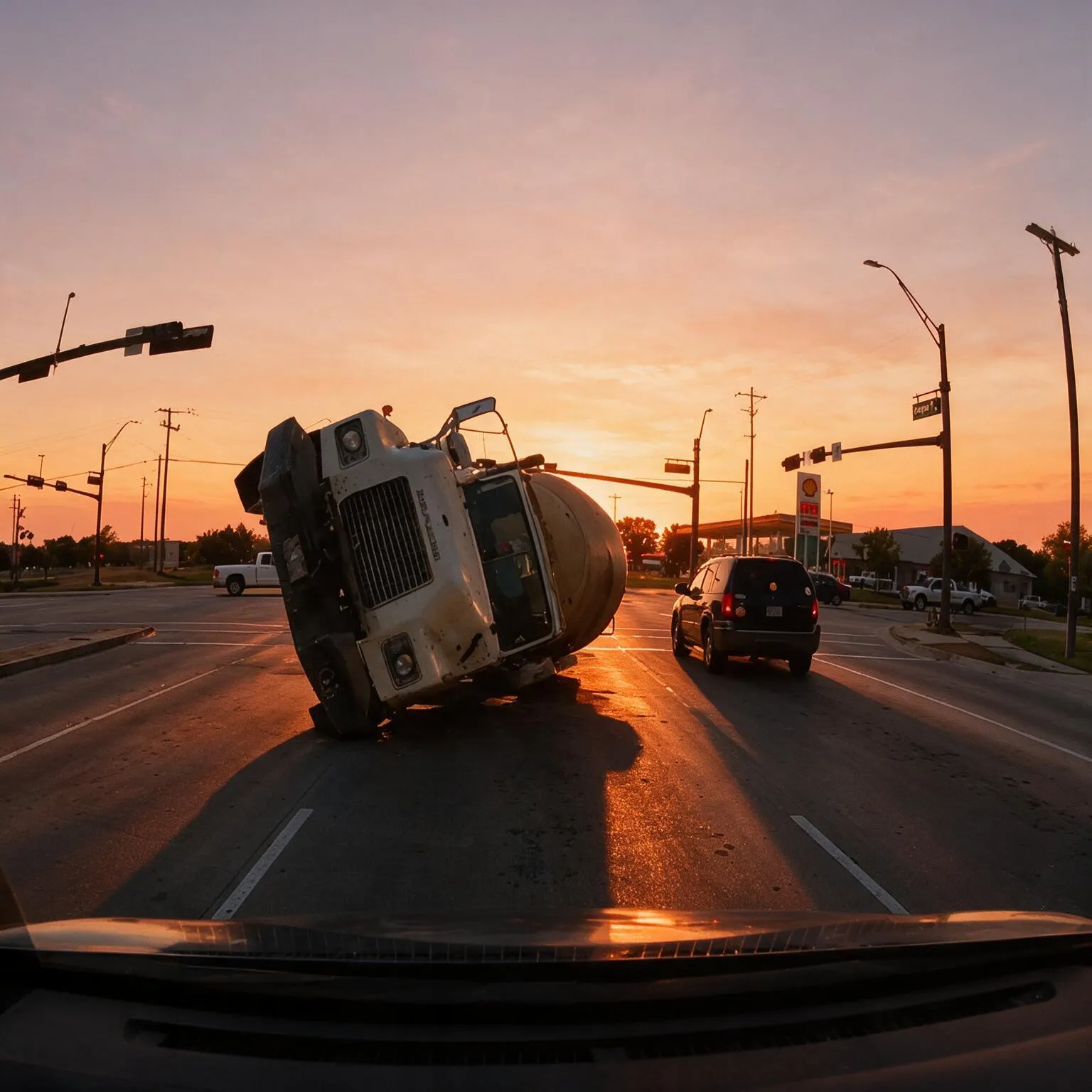
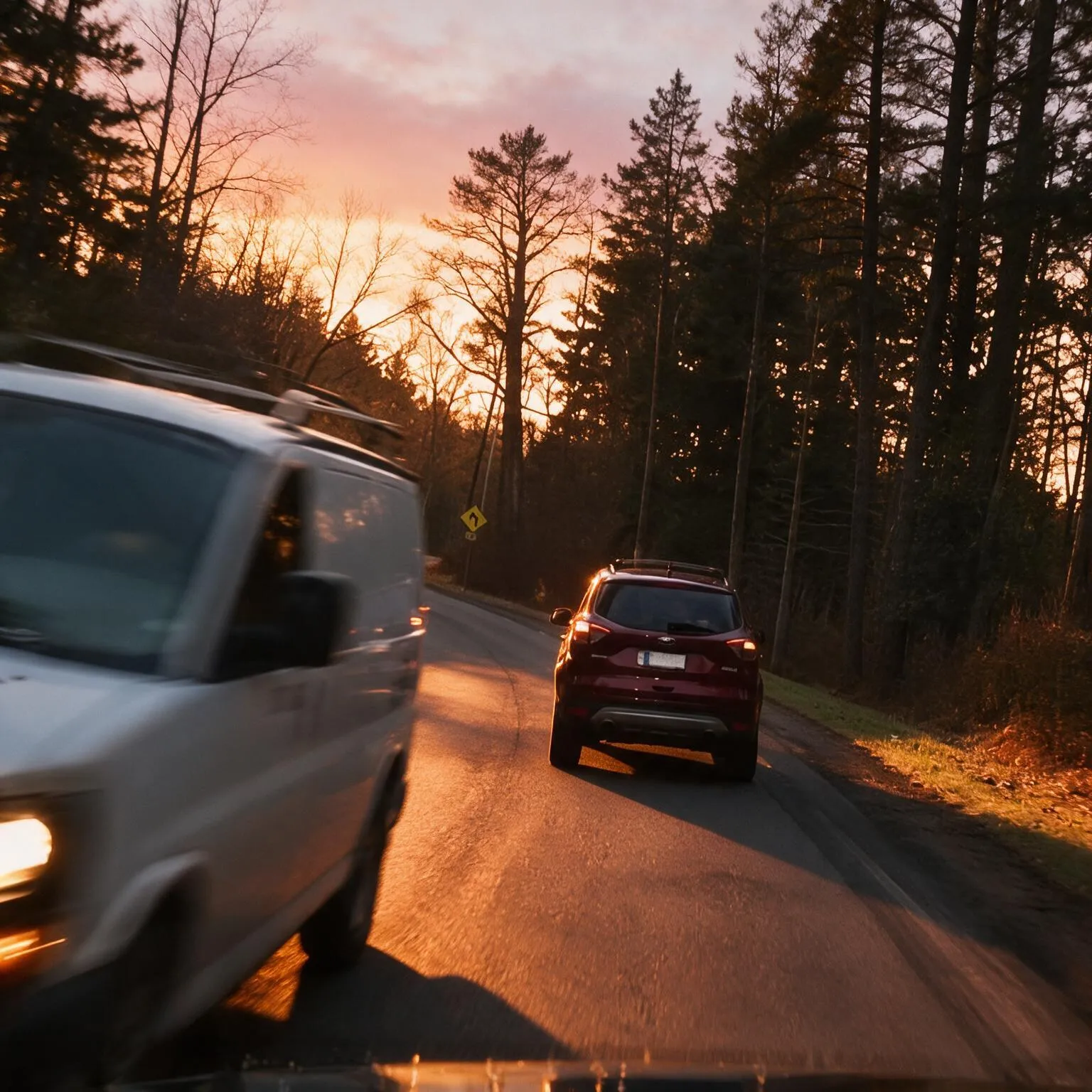
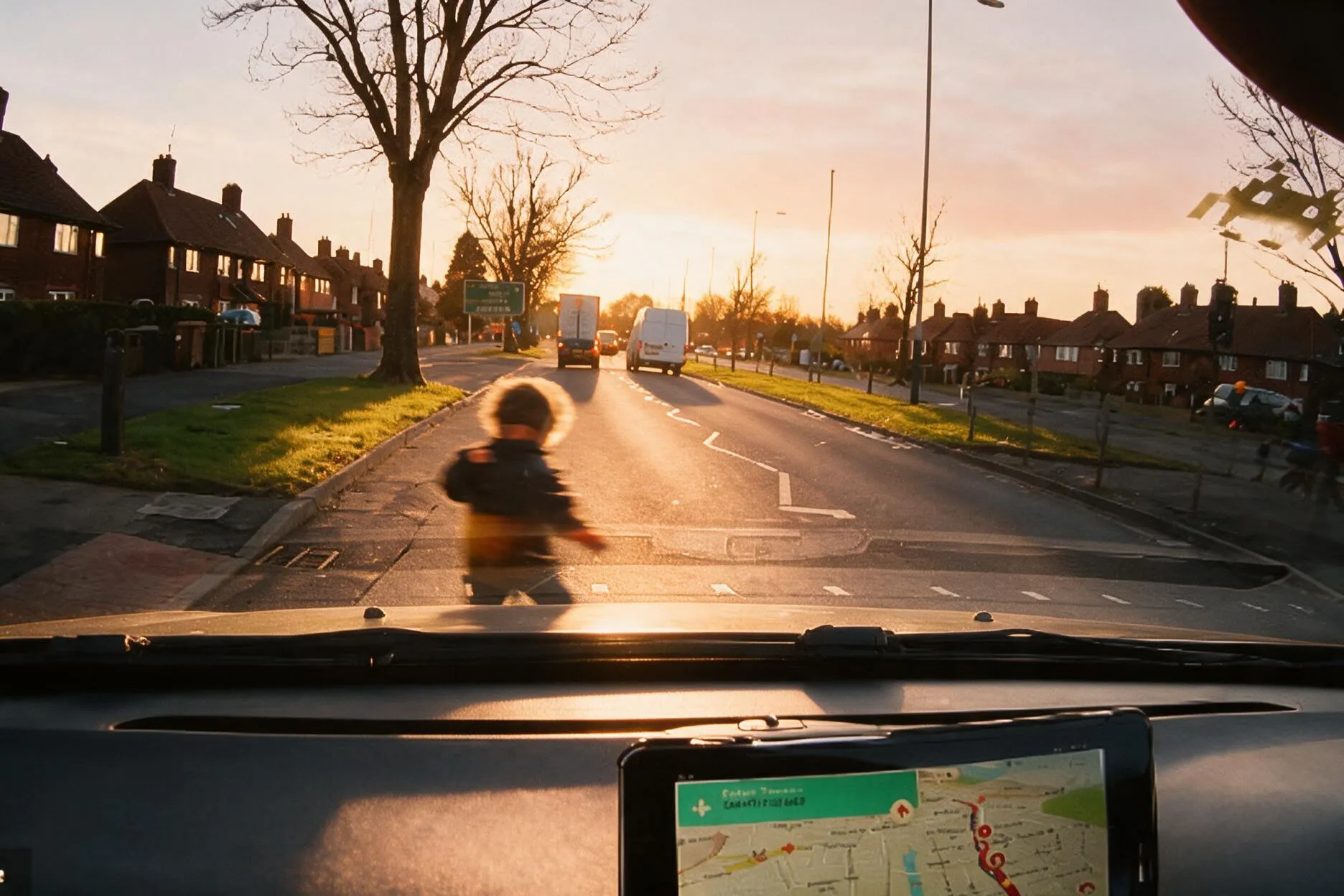
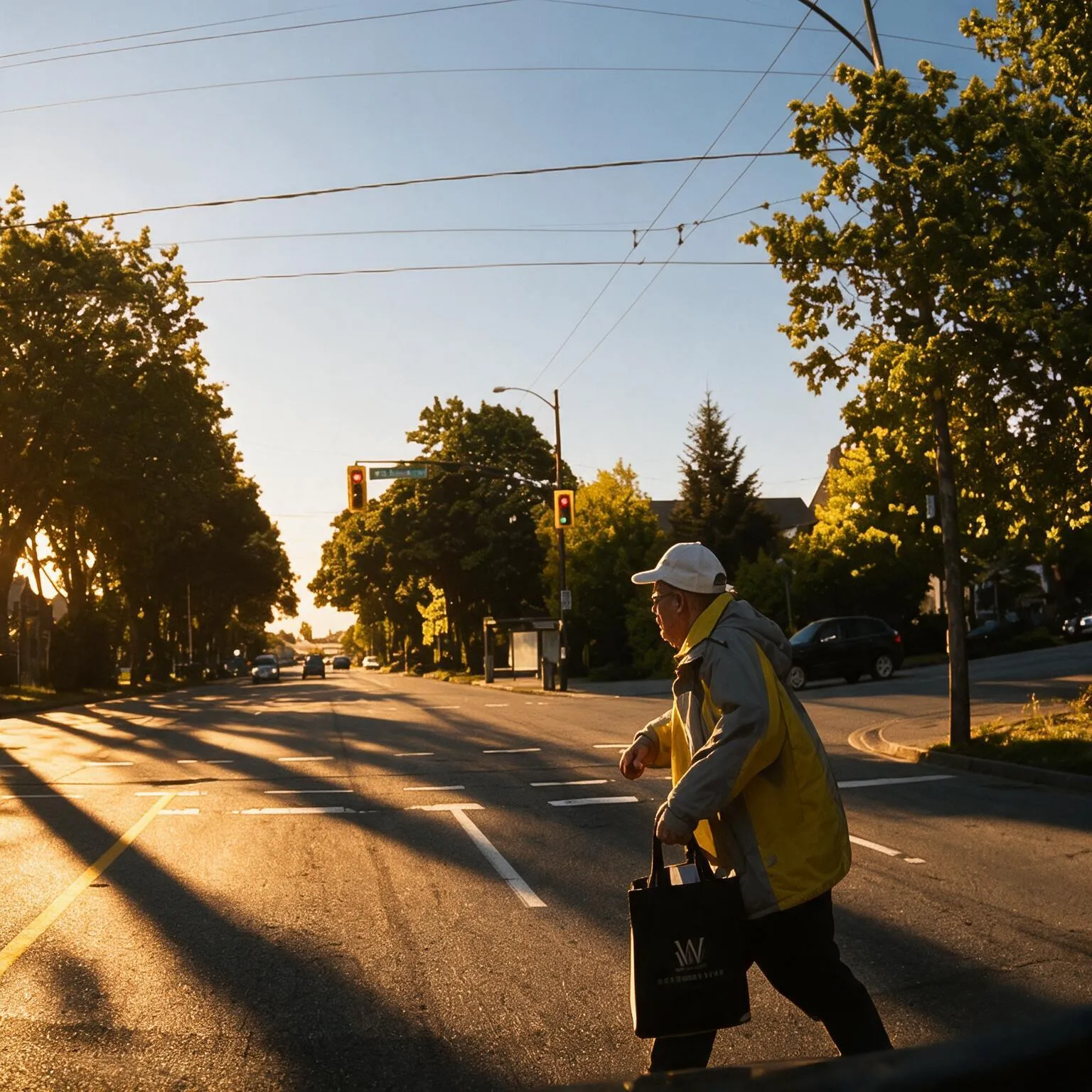
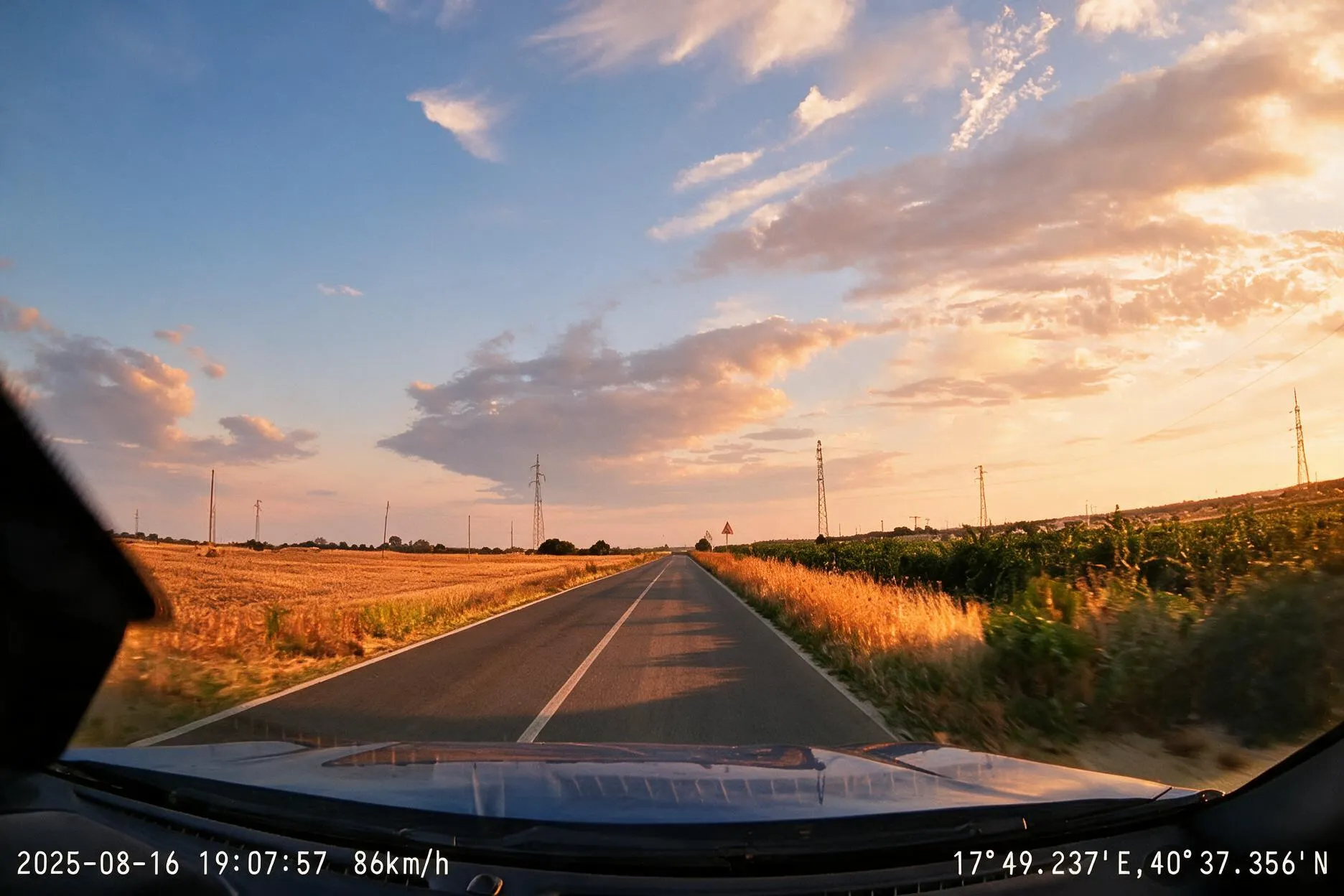
Roads are unpredictable. The events that matter most are often the hardest to model. We capture what actually happened, together with the conditions, human response and outcome, so organizations can learn from real experience instead of assumptions.
- Observed

Every mile happened
Captured on real roads, in real conditions, not generated from synthetic scenarios.
- Contextual
Every outcome is attached
See the conditions, how people responded and what happened next.
- Intelligence
Experience becomes intelligence
The record can be searched, measured, validated and embedded into systems that make decisions.















[ BADAS 2.0 ]
Don't take our word
for it, test the model
Collision anticipation trained on real edge-device footage, with zero synthetic data and published benchmark definitions.
View the modelOpen on Hugging Face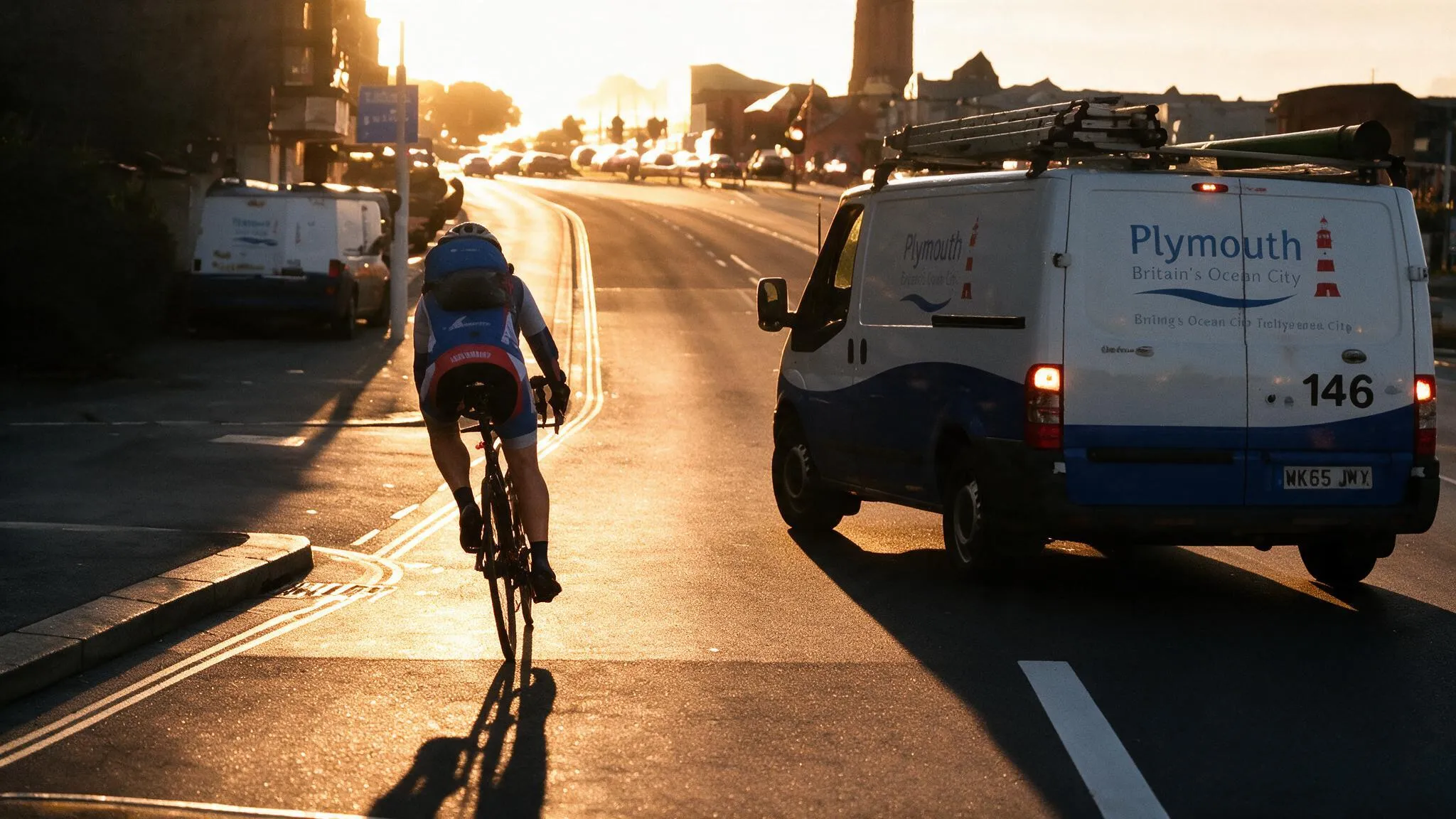
[ MEASURED IN THE REAL WORLD ]
Proven safety impact
Fleet Intelligence customers have experienced measurable benefits to their fleet safety as well as reduced costs
- 50-80%reduction in collision loss
- 62%fewer at-fault collisions
- 80%drivers improve without coaching
What’s at Empiric Earth

Why I Joined Empiric Earth
AI is leaving the screen. It will only go as far as people trust it, and in the physical world, trust is earned on safety, not demos.
Read full article →
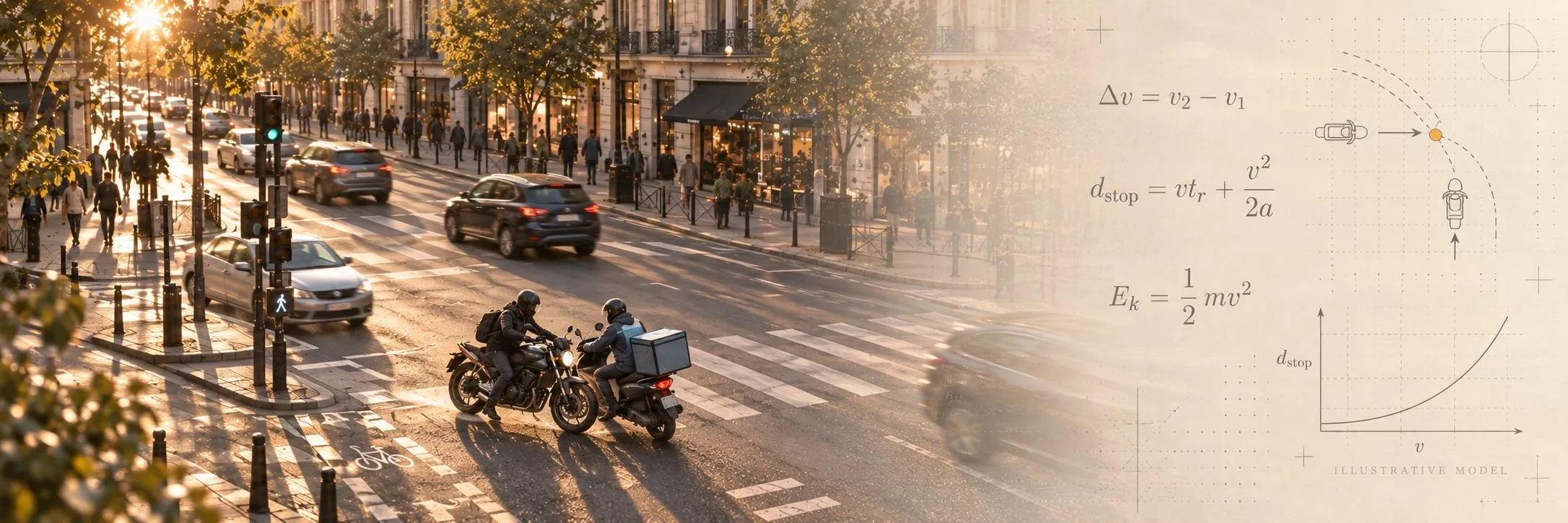
The Study of Things That Did Not Happen
The debate over AI safety is asking the right question. For AI already operating in the physical world, we can start answering it.
Read full article →

Prime Day: Almost Nothing Moved
A shopping surge. No meaningful change in the measured fleet. We measured 842,800 rides across Prime Day and matched June weekdays.
Read full article →
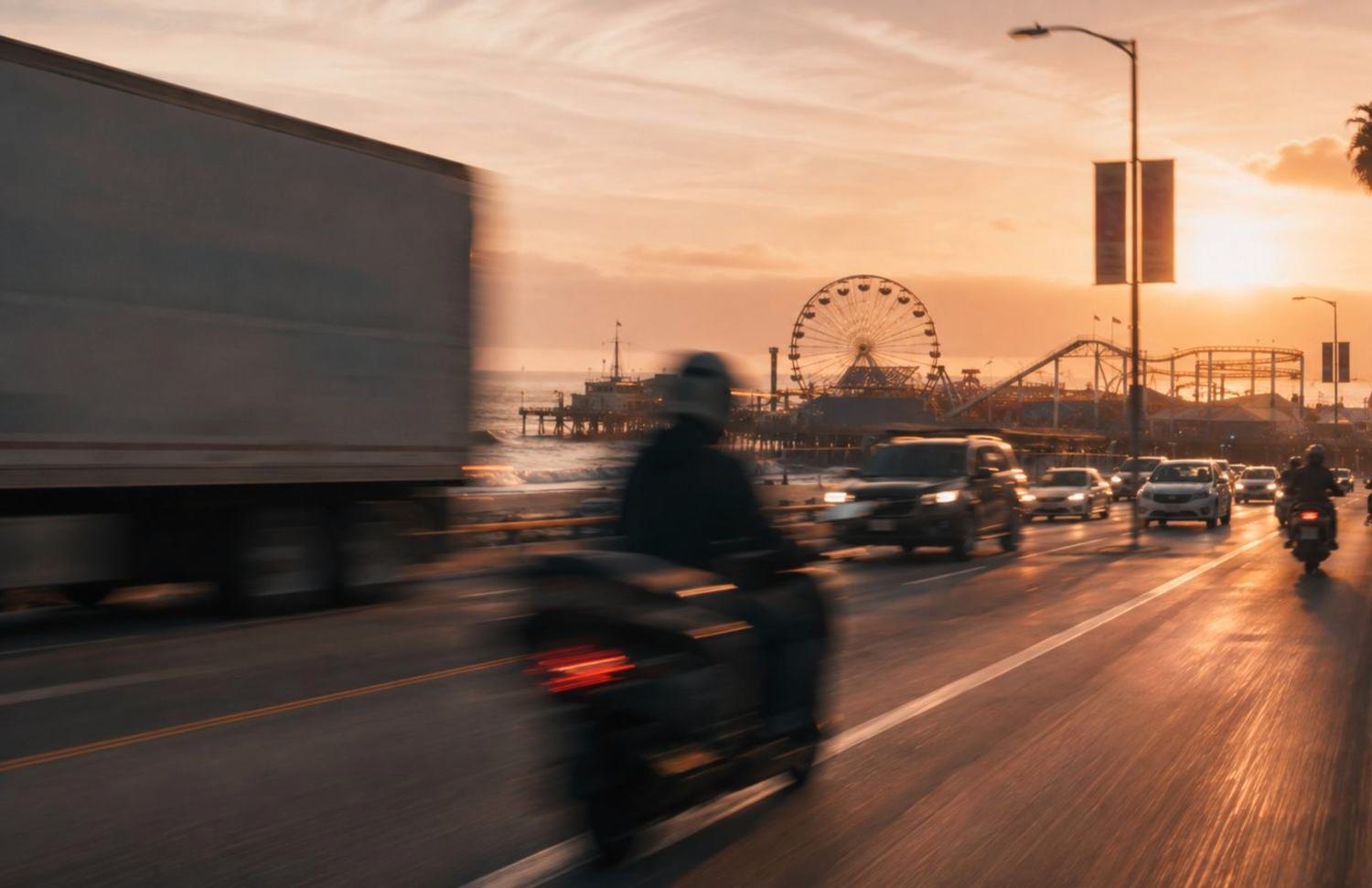
The Margin for Error
Heat doesn’t make people drive worse. It shrinks the margin for error. We measured 1.5 million rides across three July heat waves.
Read full article →
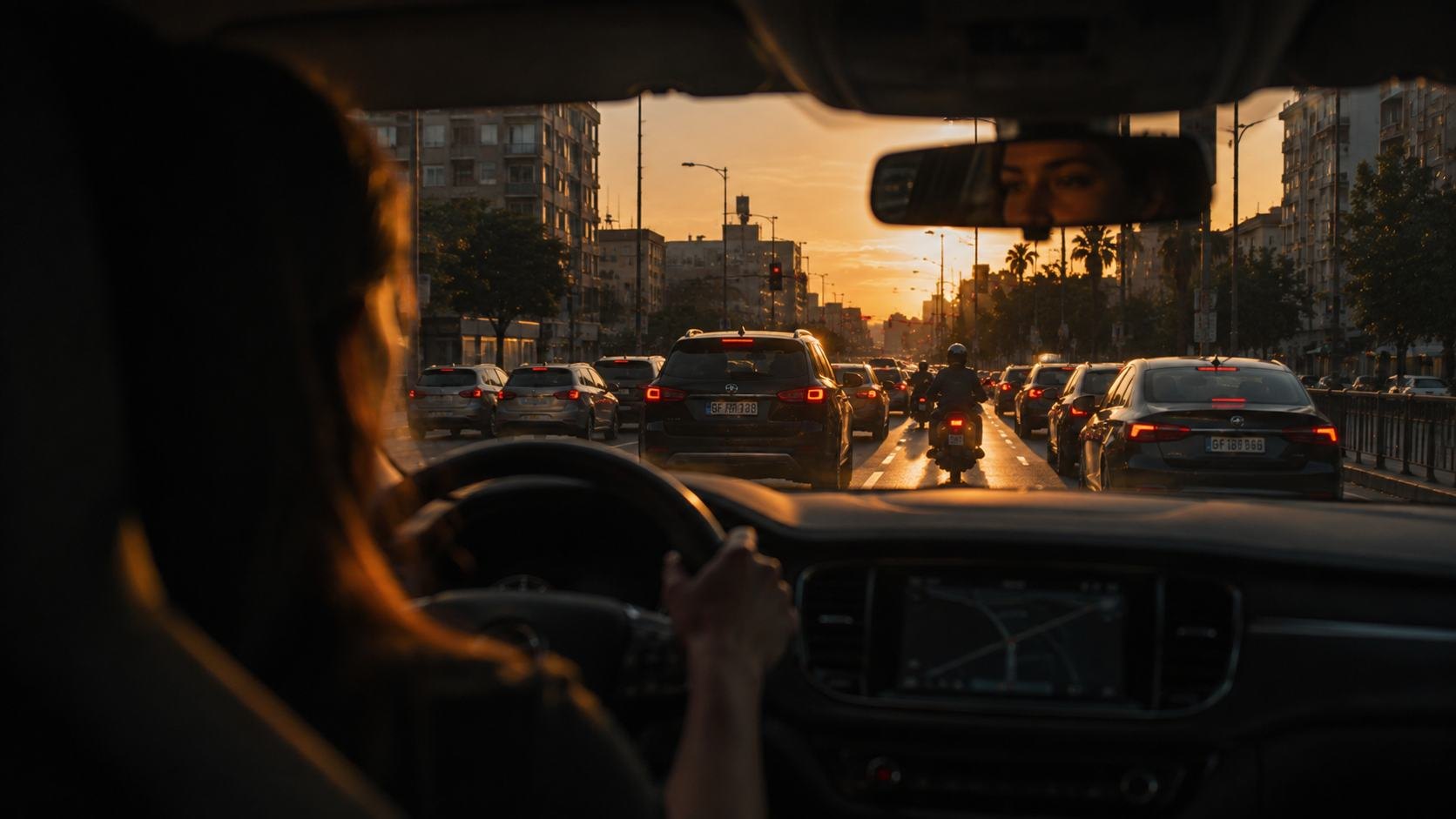
Fewer Trips, Longer Journeys
Summer doesn’t put more cars on the road. It makes every trip longer. We compared 11.9 million summer rides against 12.3 million spring ones.
Read full article →
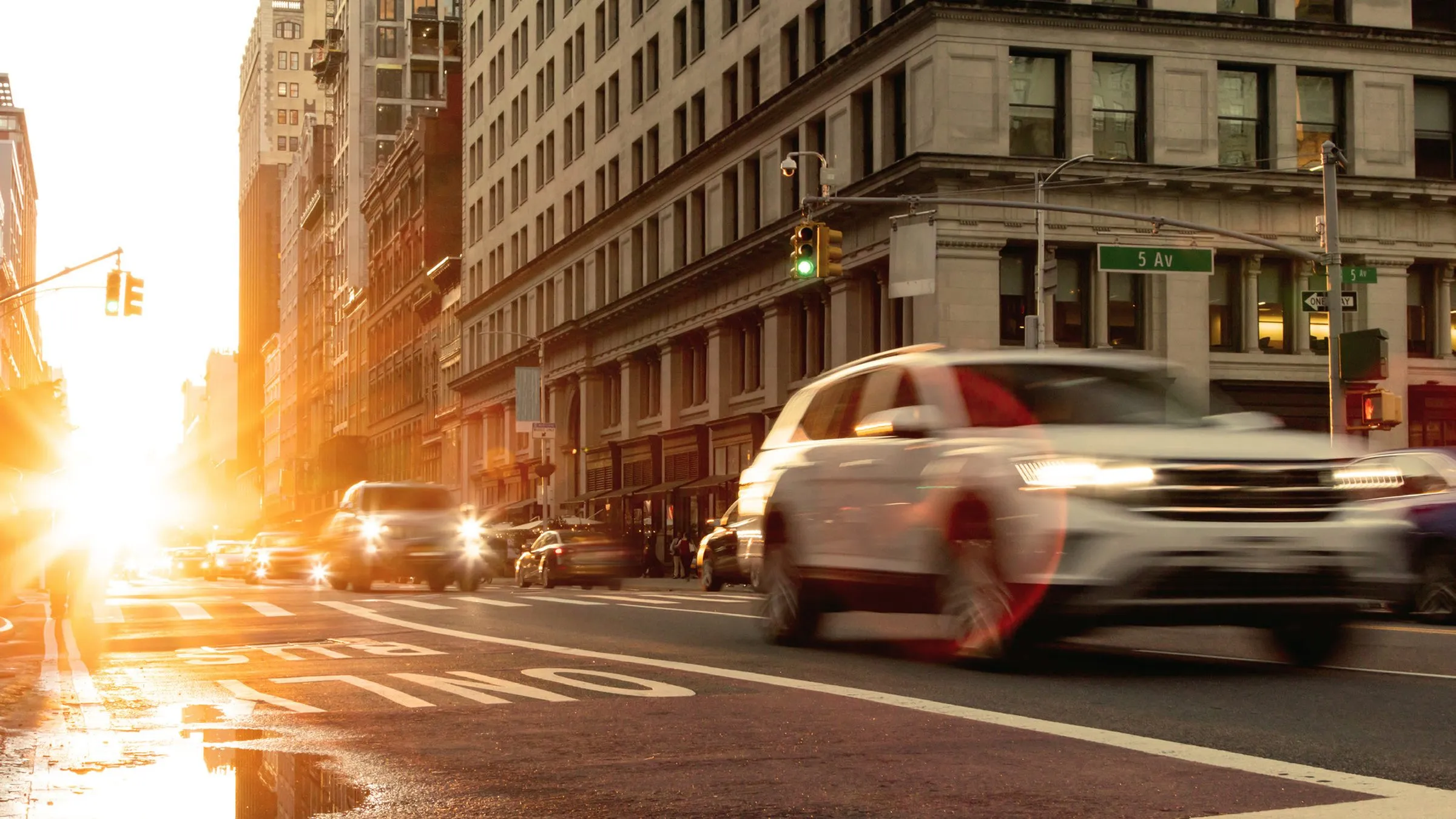
When AI Leaves the Screen
It will drive vehicles, route freight, inspect bridges, dispatch first responders, move robots through warehouses, and help cities operate. Its job will not be to produce information. Its job will be to understand the world well enough to act inside it.
Read full article →